

Understanding sleep apnoea and how oral sleep appliances can help
That familiar rumbling sound emanating from your bed partner might seem like a harmless nighttime nuisance. Perhaps you’ve even chuckled about it. But for many, that “snore” can be a significant indicator of a more serious underlying condition: obstructive sleep apnoea (OSA). This #NationalStopSnoringWeek, we want to shed light on the crucial difference between simple snoring and OSA, and how comfortable, effective oral sleep appliances can offer a path to better breathing and healthier sleep.
Snoring: The noisy truth
Snoring occurs when the tissues in the back of your throat relax and vibrate as air passes through during sleep. While occasional snoring can be triggered by factors like nasal congestion or alcohol consumption, chronic or loud snoring can be a warning sign.
Obstructive Sleep Apnoea (OSA)
Obstructive sleep apnoea is a condition where the airway repeatedly becomes partially or completely blocked during sleep. This blockage leads to pauses in breathing, often lasting for many seconds. When breathing stops, your brain briefly wakes you up to restart the process, even if you’re not fully conscious of it. These repeated interruptions can lead to:
- Excessive daytime fatigue: Feeling constantly tired, even after a full night’s sleep.
- Difficulty concentrating: Trouble focusing at work or during daily tasks.
- Morning headaches: Waking up with a dull or throbbing headache.
- Irritability and mood changes: Feeling more easily frustrated or experiencing mood swings.
- Increased risk of serious health problems: Studies have linked untreated OSA to high blood pressure, heart disease, stroke, type 2 diabetes, and even accidents due to daytime sleepiness.
For many individuals suffering from snoring and mild to moderate obstructive sleep apnoea, Oral Appliance Therapy (OAT) offers a comfortable and effective alternative to other treatments like Continuous Positive Airway Pressure (CPAP) machines.
How do oral sleep appliances work?
Custom-fitted oral sleep appliances, like those offered at London Lingual Orthodontic Clinic, are similar to orthodontic retainers or mouthguards. They work by gently repositioning the lower jaw, tongue, and soft palate forward. This movement helps to open the airway, preventing the tissues from collapsing and obstructing airflow during sleep.
The benefits of choosing an oral sleep appliance:
- Comfort and ease of use: Oral appliances are often more comfortable and less intrusive than CPAP masks.
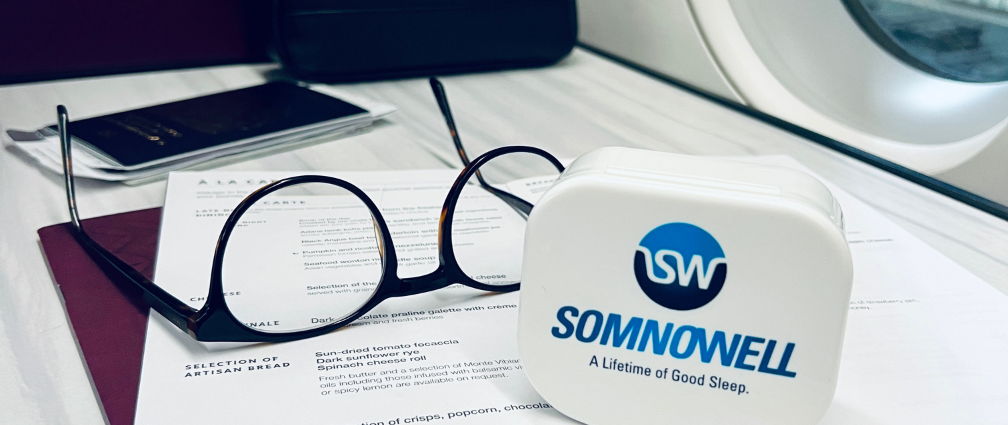
- Portability: Their small size makes them ideal for travel.
- Quiet operation: Unlike CPAP machines, they don’t produce any noise.
- Custom-fit: Appliances from the Clinic are custom-designed to fit exceptionally well for optimal comfort and effectiveness.
- Effective for snoring and mild to moderate OSA: Many patients experience significant improvement in their snoring and a reduction in apnoea events.
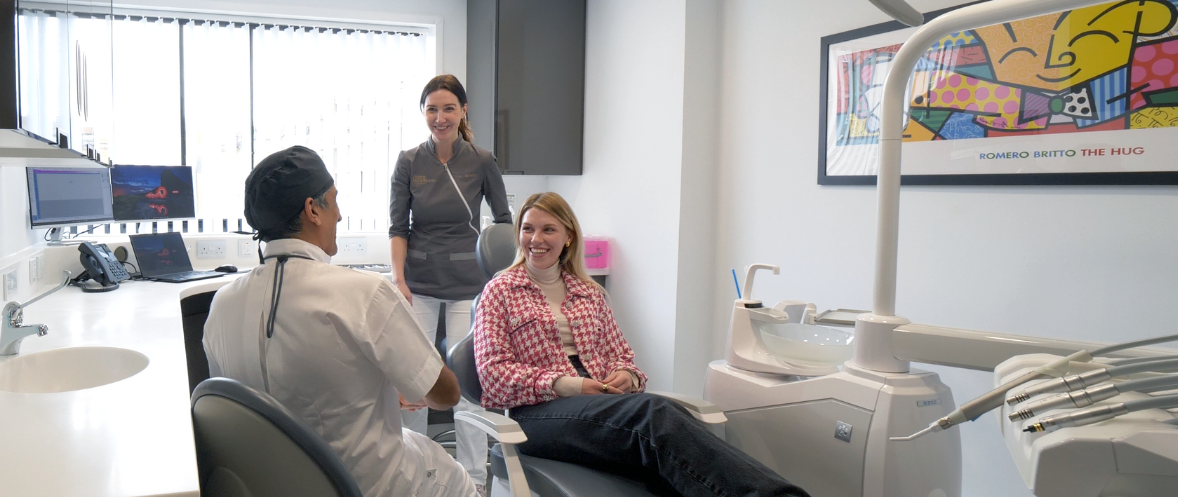
At The London Lingual Orthodontic Clinic, we understand the impact that sleep-disordered breathing can have on your quality of life. We offer a comprehensive range of custom-fitted oral sleep appliances to address snoring and sleep apnoea. During a consultation, we will assess your individual needs and recommend the most appropriate appliance for you.
Take the first step towards a restful nights sleep
Don’t let snoring or the potential risks of sleep apnoea disrupt your health and well-being any longer. This #NationalStopSnoringWeek, take control of your sleep.
Contact us today to schedule a consultation and learn how a custom oral sleep appliance can help you breathe easier, sleep soundly, and wake up feeling refreshed.