
Lingual braces remain one of the most discreet ways to straighten your teeth. Fixed to the inside surface, they’re completely hidden from view – making them a compelling option for professionals, people in the public eye, and anyone who’d rather keep their treatment private.
Not all lingual orthodontists are equal, though. Because lingual braces are technically demanding, the skill and experience of the clinician makes a significant difference to both the process and the outcome. If you’re considering lingual braces in London, here’s what’s worth looking at before you book a consultation.
Specialist Qualifications Matter More Than You Might Think
Orthodontics is a dental specialty in its own right. A specialist orthodontist has completed an undergraduate dental degree followed by a recognised postgraduate programme in orthodontics – typically three years of additional full-time training – and holds a qualification such as the MOrth RCS (Membership in Orthodontics from the Royal College of Surgeons). They’ll also be registered on the General Dental Council’s Specialist List.
This is different from a general dentist who offers orthodontic treatment as part of a broader menu of services. There’s no shortage of those in London, and many do good work – but if you’re investing in lingual braces specifically, a specialist’s level of training and focus matters.
When you’re researching, it’s worth checking the GDC’s specialist register, which is publicly available.
Lingual Experience Is Its Own Category
Within orthodontics, lingual treatment is a niche that requires specific training and – crucially – a high volume of cases to maintain. The technique is more complex than labial (front-of-tooth) braces or clear aligners: the brackets are smaller, placed in a more confined space, and require precise positioning to work effectively. It also takes more time and skill at each appointment.
Some practices list lingual braces among their treatments without carrying out many cases. This is worth exploring at your consultation – not to catch anyone out, but because your treatment will genuinely benefit from a clinician who does this regularly and is continuously developing their expertise.
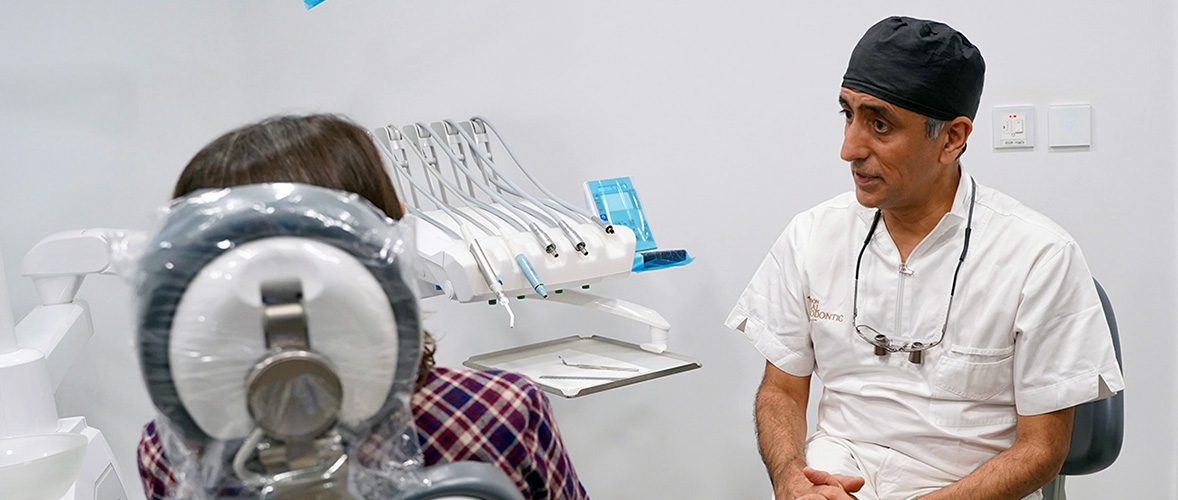
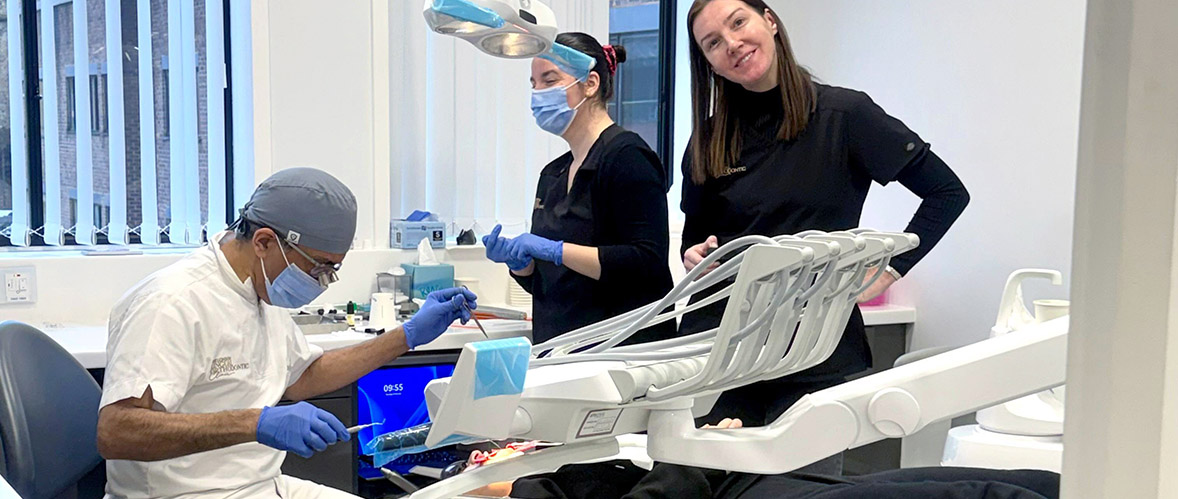
At the London Lingual Orthodontic Clinic, lingual braces aren’t one option among many – they’re the foundation of our practice. Dr Asif Chatoo is one of the most experienced lingual orthodontists in the UK, and that depth of experience informs everything we do.
Be Cautious About Which Systems Are on Offer
Lingual brace technology has evolved considerably over the past decade. It’s worth knowing that some systems are no longer in production – Incognito being a notable example – so if a clinic is still advertising a discontinued brand, it may be a sign that lingual braces aren’t a significant part of their day-to-day work.
More recent systems combine strong clinical backing with advanced digital planning to customise each bracket to the individual patient. We work with SureSmile lingual braces – a highly precise, technology-driven system – alongside a range of other appliances to ensure patients are matched to the right treatment for their clinical needs and lifestyle.
Technology and Treatment Planning
Lingual orthodontics has been transformed by digital technology. 3D scanning, computer-aided treatment planning, and custom bracket fabrication have made treatment more predictable and, in many cases, more comfortable than earlier generations of lingual braces.
When you’re choosing a clinic, it’s worth asking how treatment is planned. Are digital scans used in place of traditional impressions? Is the treatment plan customised to your specific tooth anatomy, or is it more of an off-the-shelf approach? The answers will tell you a great deal about the standard of care you can expect.
Choice of Appliances Matters
Lingual braces may be what brings many patients through our door, but the right treatment is whatever best serves the individual – and that isn’t always the same thing.
A good specialist clinic should be able to offer a genuine range of options: lingual braces for those who want a fixed, hidden solution; clear aligners for those who prefer a removable approach; and conventional fixed braces where clinically appropriate. Having access to the full range means your orthodontist can recommend what’s right for you, not simply what they happen to offer.
Continuity of Care
Orthodontic treatment typically takes 12 to 24 months, and there’s real value in seeing the same clinician at every appointment – someone who knows your case thoroughly and can track your progress with continuity and care.
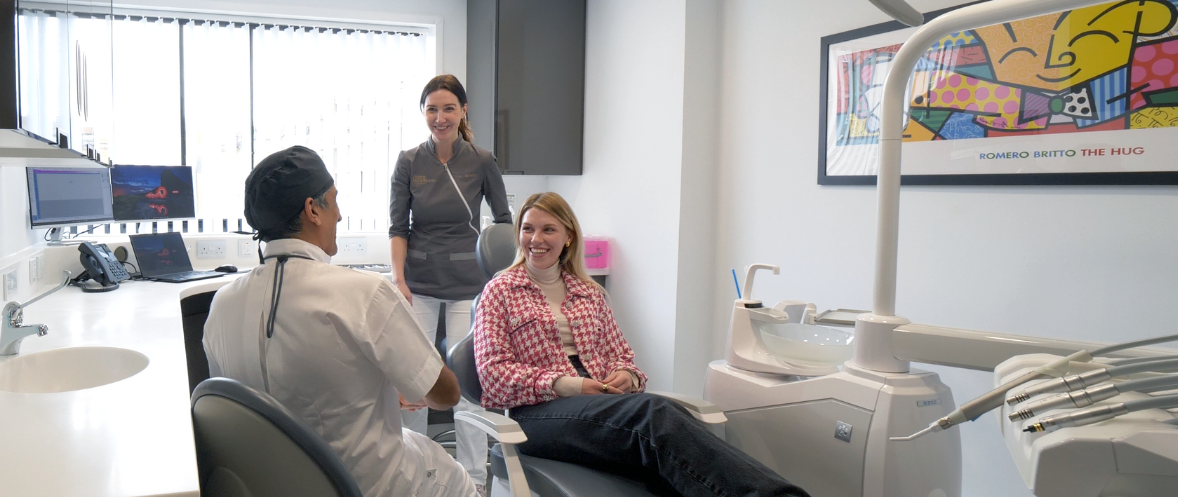
At larger dental groups or practices with multiple orthodontists rotating through clinics, that consistency isn’t always guaranteed. At LLOC, you’ll see Dr Chatoo and the same small, dedicated team throughout your treatment. That familiarity builds trust, and it means nothing gets missed.
What Happens After Treatment
Retention is an essential part of orthodontic treatment, not an afterthought. Without retainers worn consistently after active treatment, teeth will move back over time – and undoing months of careful work is something nobody wants.
Ask any practice you’re considering how aftercare is handled. Are retainers included, or are they charged separately? What happens if a retainer breaks or needs replacing? At LLOC, retainers and aftercare are built into treatment from the start.
Before You Decide
Choosing a lingual orthodontist is a significant decision, and it’s worth taking your time. Look beyond the before-and-after photos and the headline prices, and ask the questions that matter: How experienced is the clinician? How many lingual cases do they treat each year? What technology do they use? Will you see the same person at every appointment?
If you’d like to find out whether lingual braces are right for you, Dr Chatoo offers personal consultations at our Harley Street practice – we’d be delighted to hear from you.