
If you’ve been researching orthodontic treatment in London, you’ll have come across the term specialist-led. It sounds reassuring – and in many cases it is. But it’s worth understanding what it actually means, because the experience it describes can vary quite considerably from one practice to another.
What Makes a Specialist Orthodontist
A specialist orthodontist has completed an undergraduate dental degree followed by several years of full-time postgraduate training in orthodontics. They hold a recognised postgraduate qualification and are registered on the General Dental Council’s Specialist List. Not every clinician offering orthodontic treatment has completed this level of training.
Specialist-led is a broader term. It generally means that a specialist is involved in the practice in some capacity – perhaps overseeing treatment planning or providing clinical governance – but it doesn’t necessarily mean that the specialist is the person carrying out your treatment. In some practices, day-to-day appointments are with a dentist or therapist, and patients may rarely meet the specialist whose name appears on the website.
There’s also a third category worth knowing about: a dentist with a special interest in orthodontics – a general dentist who has completed some additional orthodontic training, but not a full postgraduate specialist programme and not a qualification that leads to specialist registration with the GDC. Many do very good work within their scope of training. It’s a distinction that isn’t always clear from a practice website.
Why Continuity Makes a Difference
When you’re treated by a specialist orthodontist directly, every aspect of your care is in the hands of someone with the highest level of training in the field – someone who knows your case intimately, because they’ve been there for every step of it.
Orthodontic treatment rarely follows a perfectly straight line. Teeth don’t always move exactly as planned, and clinical judgements need to be made along the way. Having the same specialist at every appointment means those decisions are made by someone with a complete picture of your treatment from the very beginning.
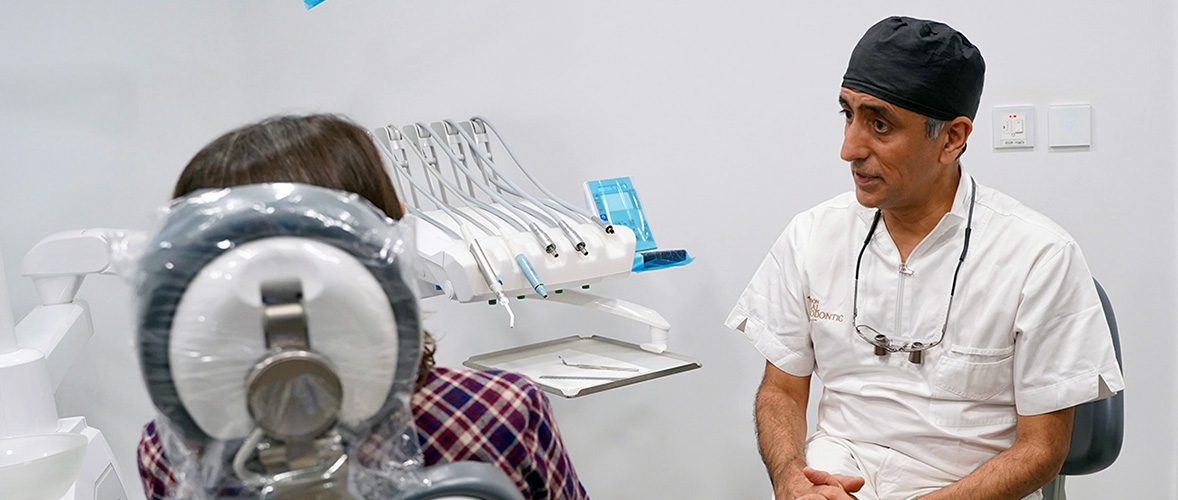
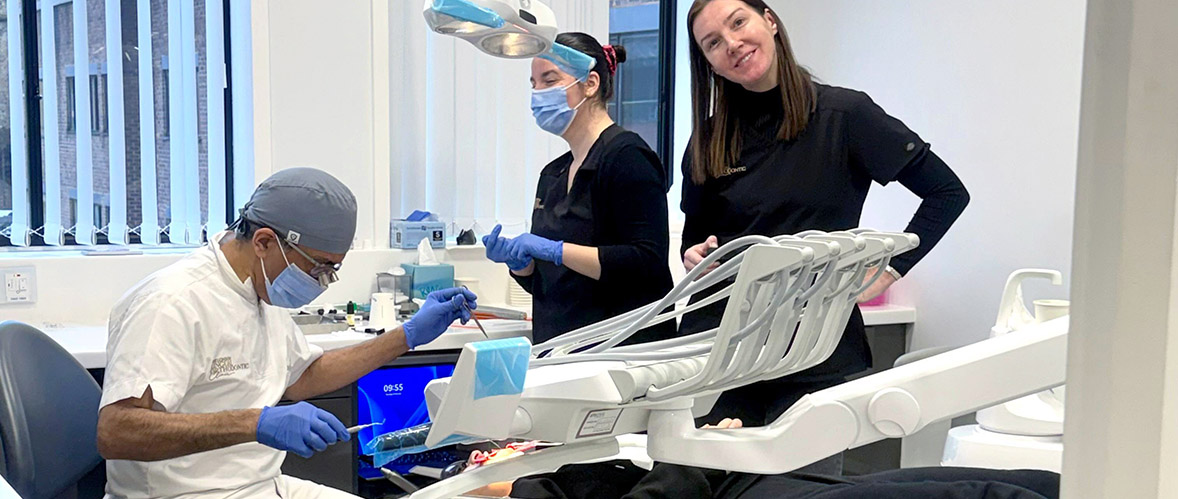
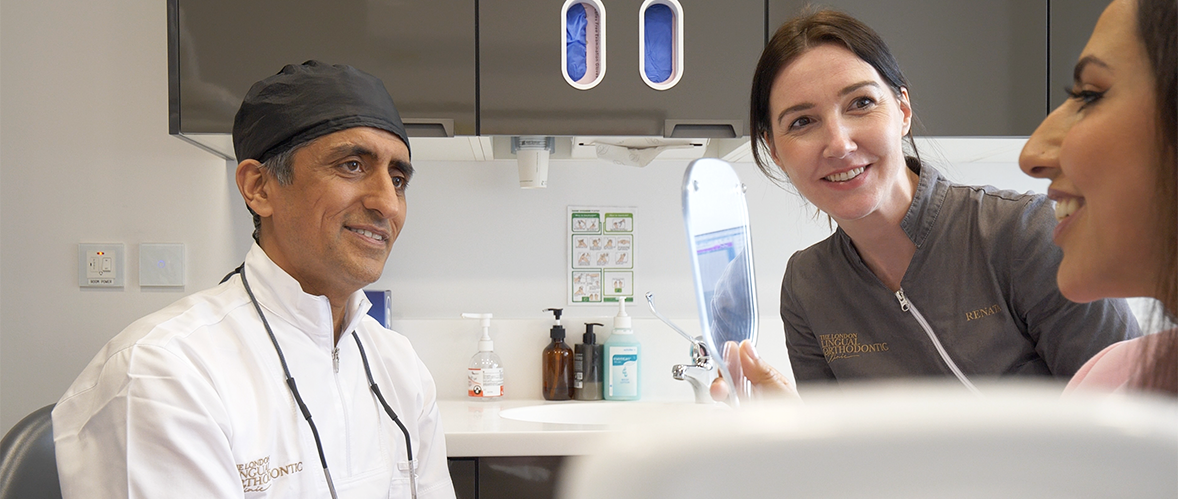
At The London Lingual Orthodontic Clinic, every patient is treated by Dr Asif Chatoo from your first consultation through to the end of treatment. You’ll see the same familiar faces at every visit, and the people who know your case best are always the ones making decisions about it.
A Process You’re Part Of
Treatment planning should be a collaborative process, and so should the journey itself. Your orthodontist should be able to show you how things are progressing, explain the decisions being made, and involve you in the finishing stages, where the finer details of your result are refined together.
This is something lingual braces lend themselves to particularly well. Because the braces sit on the inside of the teeth, your teeth aren’t obscured by visible brackets or attachments – which means you can see your results clearly throughout treatment. As your smile takes shape, there’s a real opportunity to work together on the final result, discussing what you’re seeing, what you’d like to refine, and making small adjustments to achieve exactly the outcome you’re hoping for. It’s one of the things that makes lingual treatment so rewarding.
What to Ask at Your Consultation
It’s always worth going into a consultation with a few questions in mind. Who will be carrying out my treatment? Will I see the same person at every appointment? Who makes the decisions about my treatment plan, and will I be involved in that process? The answers will give you a much clearer sense of what your experience is likely to look like.
We’d Love to Meet You
If you’d like to experience what specialist orthodontic treatment really looks like, we’d love to hear from you. Come and meet Dr Asif Chatoo at our Harley Street practice for a comprehensive, no-obligation consultation.