
A mandibular advancement device can be a highly effective treatment for snoring and obstructive sleep apnoea – but only when it’s fitted well. The device works by holding the lower jaw in a slightly forward position during sleep, keeping the airway open. The precision of the fit has a direct bearing on whether it works, and whether you’ll actually wear it night after night.
The Fit Is Everything
A mandibular advancement device that doesn’t fit well is unlikely to be comfortable – and a device that isn’t comfortable isn’t going to be worn consistently. This is the central challenge with MADs: compliance depends entirely on the patient being willing to wear the device every night, and that willingness depends on how the device feels.
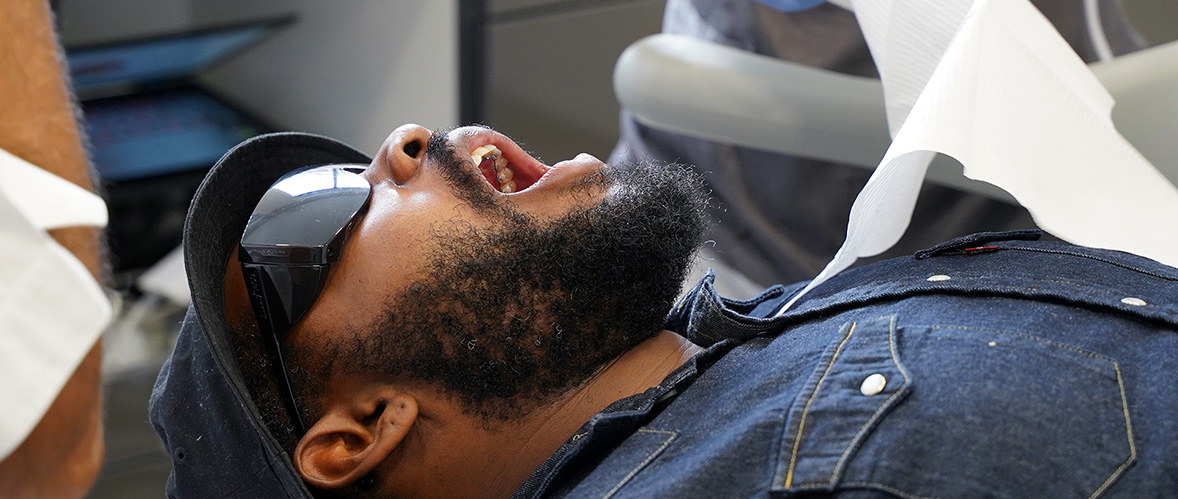
Bowen, a patient of Dr Asif Chatoo’s who had previously tried an over-the-counter device, put it well: “It wasn’t customised and it wasn’t particularly comfortable, but it was effective. I snored less.” That experience showed him that an appliance could make a genuine difference – he just needed one designed properly for him.
Getting the fit right requires a detailed understanding of the patient’s teeth, jaw, and bite – how they’re aligned, how they move, and how the jaw can be advanced comfortably without causing pain or instability. It’s the kind of assessment a specialist orthodontist carries out every day.
Over-the-Counter vs Custom-Made
MADs are available over the counter – in pharmacies and online. They’re cheaper and more immediately accessible than a custom-made device, and it’s easy to see the appeal.
The problem is that off-the-shelf devices are designed to fit a general jaw shape rather than yours specifically. Without a proper clinical assessment and a device fabricated to your individual anatomy, the fit is unlikely to be precise enough to hold the airway open effectively – and may be uncomfortable enough that you stop wearing it altogether.
Why an Orthodontist Is Best Placed to Help
A specialist orthodontist has an in-depth understanding of how the teeth, jaw, and bite work together – and how small changes in jaw position affect both comfort and function. This makes them well placed to assess which device is right for you, how it should be set up, and how it needs to be adjusted over time as your jaw adapts.
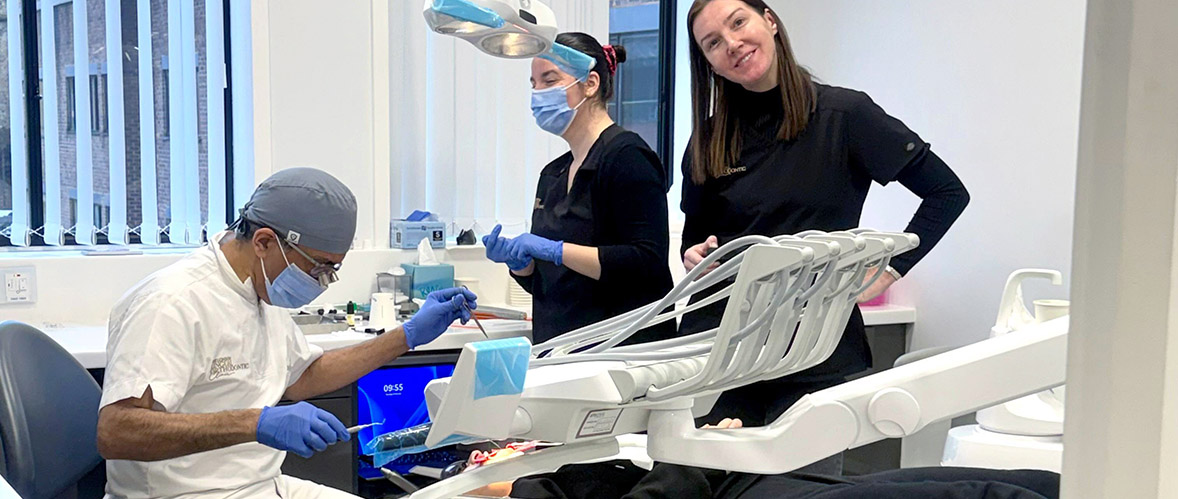
Fitting a MAD isn’t a one-off appointment. The device typically needs to be titrated – gradually adjusted to find the optimal jaw position – and that process requires clinical oversight and the ability to make precise changes. An orthodontist is trained to do exactly this.
Before a MAD Is Fitted
For patients diagnosed with obstructive sleep apnoea, CPAP – continuous positive airway pressure – remains the recommended first-line treatment, and for many patients it works well. A MAD is typically considered when CPAP hasn’t been tolerated or isn’t suitable – and for patients with mild to moderate OSA, it is a well-established and clinically recognised alternative.
It’s also important to understand what’s actually causing the problem before any device is fitted. Snoring without OSA and snoring as a symptom of OSA are different clinical situations, and the approach to treatment should reflect that. If OSA hasn’t been properly assessed, that should always be the first step.
Where Experience Makes the Difference
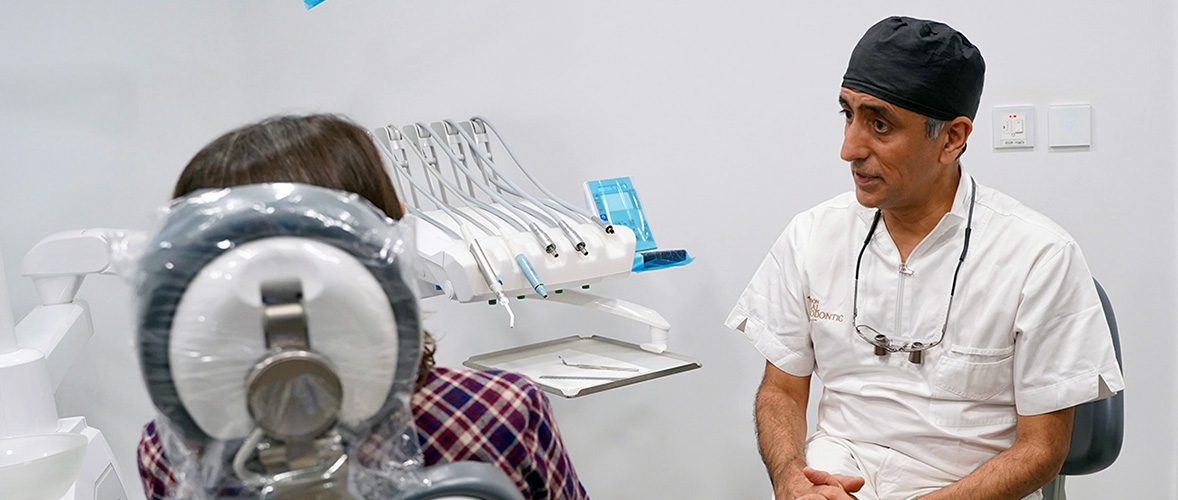
Dr Asif Chatoo brings together specialist orthodontic training and expertise in sleep medicine – which means patients are assessed and treated with a thorough understanding of both fields. He offers a carefully selected range of mandibular advancement devices and takes the time to assess each patient individually before making any recommendation. If snoring or sleep apnoea is affecting your quality of life, get in touch to arrange a consultation with Dr Chatoo at our Harley Street practice.